

How to Compost at Home with a Tumbler or Compost Pile
Composting is one of the simplest ways to reduce household waste while creating an incredibly valuable resource for your garden, flower beds, or houseplants. Instead of throwing food scraps away, composting allows nature to recycle them into nutrient-rich organic matter that improves soil health, retains moisture, and helps plants thrive.
The best part? You don't need a farm, expensive equipment, or even a large backyard to get started!
Whether you're interested in building a traditional backyard compost pile or using a tumbler, the basic principles are exactly the same.
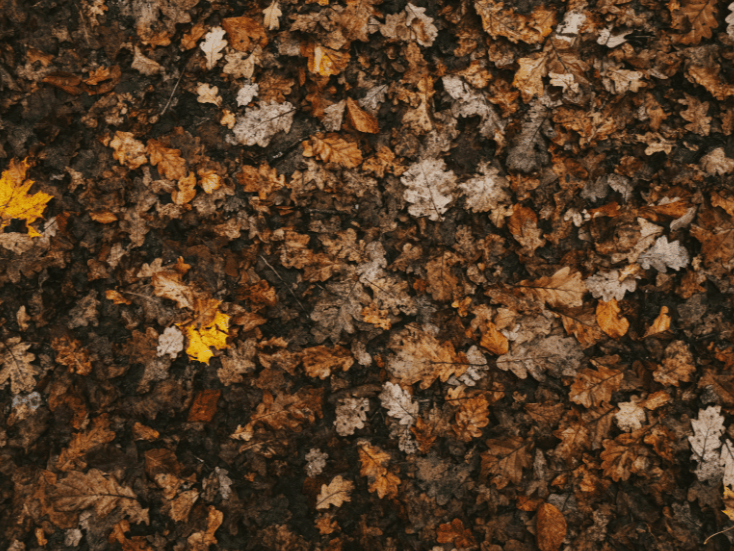
Composting Works like the Forest Floor
Composting Is Really Just Nature Doing What It Already Does
Take a walk through the woods in the fall. Leaves cover the forest floor, branches fall, plants die back, and over time everything slowly breaks down into rich, dark soil.
That's composting!
The difference at home is that we're simply helping nature along by creating the right conditions for microorganisms, fungi, insects, and other decomposers to do their job more efficiently.
To keep those organisms happy, your compost pile needs four things:
A balance of "greens" and "browns"
Moisture
Oxygen
Time
Once those pieces come together, the compost pile does most of the work for you.
Understanding Greens and Browns
One of the biggest misconceptions about composting is that it's complicated. In reality, it often comes down to balancing two types of materials.
Greens provide nitrogen, which fuels microbial growth.
Common greens include:
Fruit and vegetable scraps
Coffee grounds and paper filters
Tea leaves (without plastic tea bags)
Fresh grass clippings
Plant trimmings
Browns provide carbon, which gives structure to the pile and provides energy for decomposers.
Common browns include:
Dry leaves
Straw
Shredded cardboard
Newspaper
Paper towel rolls
Small twigs
Wood chips
A simple rule of thumb is to use about two to three parts browns for every one part greens. It doesn't have to be exact—composting is surprisingly forgiving—but keeping more browns than greens usually helps prevent odors and keeps everything decomposing efficiently.
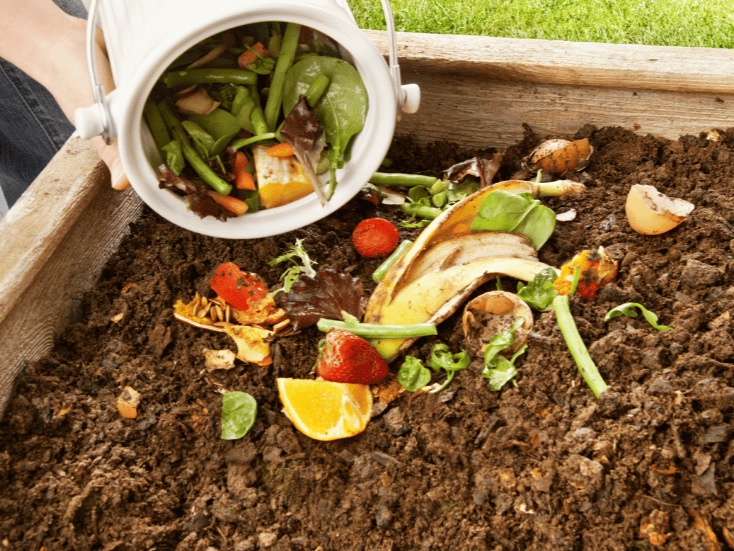
Building a Compost Pile
Building a Backyard Compost Pile
If you have a little outdoor space, a compost pile or compost bin is one of the easiest ways to compost.
Choose a location with good drainage that's easy to access year-round. Many gardeners place their compost pile in a partially shaded area to help maintain moisture during the summer.
As you add materials, try layering greens and browns rather than dumping large amounts of one material all at once. For example, after adding a bucket of kitchen scraps, cover them with a layer of dry leaves or shredded cardboard.
This simple habit helps reduce odors, discourages pests, and creates better airflow throughout the pile.
Your compost should feel similar to a wrung-out sponge—moist enough for microorganisms to thrive but never soaking wet. If the pile becomes too dry, decomposition slows down. If it's too wet, it can become compacted and develop unpleasant smells because oxygen can't reach the microbes.
Every week or two, use a garden fork or compost aerator to turn the pile. Mixing introduces fresh oxygen, redistributes moisture, and often speeds up decomposition significantly.
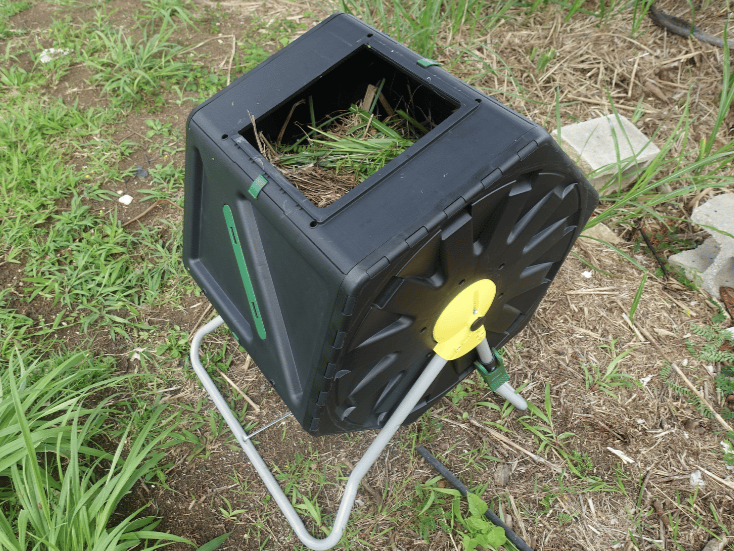
Using a Compost Tumbler
Using a Compost Tumbler
If you'd prefer a cleaner, lower-maintenance option, a compost tumbler is an excellent choice.
Tumblers work on the same biological process as a compost pile but make aeration much easier. Instead of turning the pile with a pitchfork, you simply rotate the drum several times every few days.
They're especially popular for smaller yards because they're enclosed, take up less space, and are less likely to attract unwanted animals.
The same rules still apply:
Add both greens and browns.
Keep the materials damp but not soggy.
Turn the tumbler regularly.
Avoid overfilling it, since compost needs room for air to circulate.
One mistake many new composters make is adding kitchen scraps faster than the tumbler can process them. If this happens, you may want to keep a second container or compost bin so one batch can finish decomposing while you continue collecting new materials.
What Should Stay Out of the Compost?
A few items are best left out of backyard compost systems. If you’d like to compost meat, bones, or dairy products, it’s best to utilize a paid pickup service like Wormies, or the free drop-off service at the North Kent Recycling and Waste Center on 10 Mile Road.
Avoid adding:
Meat
Dairy products
Oils and grease
Bones
Pet waste
Diseased plants
Weeds that have gone to seed
Charcoal ash
These materials can attract pests, create odors, or introduce unwanted pathogens into the finished compost.
Troubleshooting Common Problems
If your compost pile develops a strong rotten smell, it's usually a sign that it contains too many greens or too much moisture. Add more dry browns like shredded cardboard or leaves and turn the pile to introduce oxygen.
If nothing seems to be happening, the pile may simply be too dry or contain too many browns. Adding moisture and a few nitrogen-rich materials like vegetable scraps or fresh grass clippings can often restart the decomposition process.
Seeing insects, worms, and other small critters is usually a good sign. They're all part of the natural decomposition process and help break materials down into finished compost.
Knowing When Your Compost Is Ready
Finished compost looks very different from the materials you originally added.
Instead of recognizable food scraps and leaves, you'll have a dark brown, crumbly material with an earthy smell similar to fresh forest soil.
At that point, it's ready to use almost anywhere in the landscape.
Mix it into vegetable gardens before planting, spread it around flowers and shrubs, top-dress lawns, or blend it into potting soil for container plants. Compost adds organic matter, improves soil structure, helps retain water, and slowly releases nutrients that support healthy plant growth.
Start Small and Let Nature Do the Work
One of the best things about composting is that you don't have to get everything perfect.
Every compost pile is a little different. Weather changes, seasons change, and the materials you add will vary throughout the year. That's completely normal.
The important part is simply getting started.
Every banana peel, coffee ground, handful of leaves, and cardboard box you compost is one less item heading to the landfill—and one more step toward healthier soil right in your own backyard.
Nature has been composting for millions of years. We're simply giving it a place to continue doing what it does best.